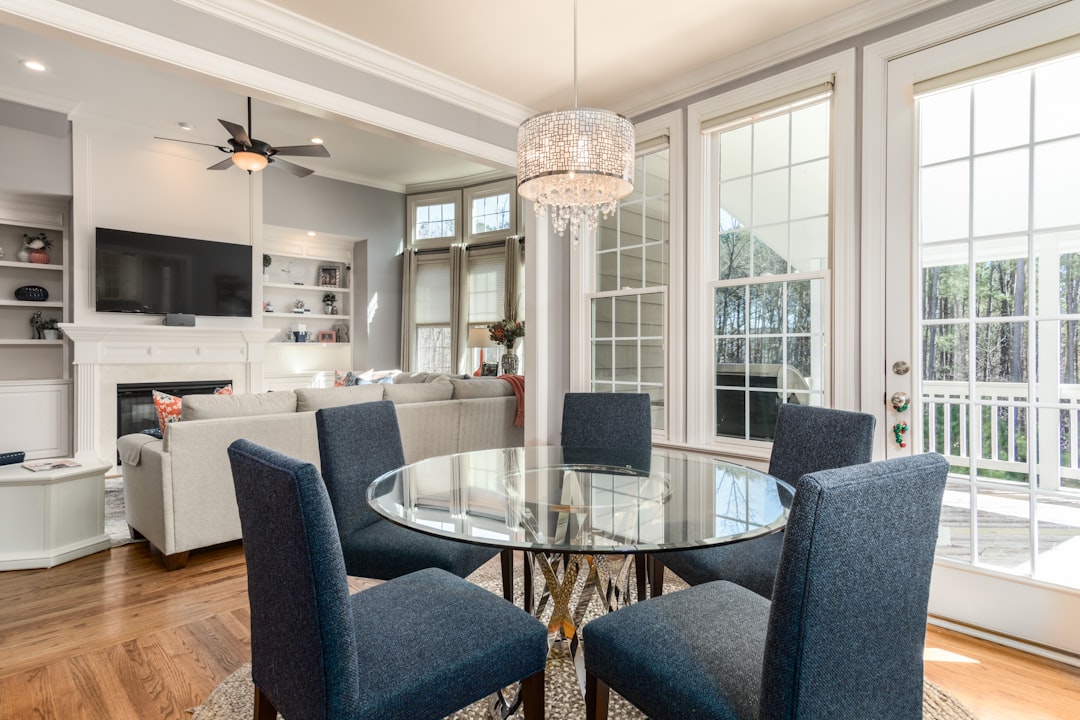
Buyers who walk into a showing expecting a private conversation are sometimes the last to know they’re being recorded. Smart doorbells, nanny cams tucked behind picture frames, video-enabled thermostats, and always-on security systems have become standard fixtures in a non-trivial share of listed homes — and sellers aren’t always disclosing them. The real estate industry has a shorthand for it now: “Consider yourself in a reality show.” That framing is meant to be wry, but the underlying dynamic is worth taking seriously.
This piece isn’t a privacy law guide — consult a licensed attorney if you’re navigating a specific dispute. What we can do, as an editorial desk focused on property imaging and spatial documentation, is walk through what’s actually capturing audio and video in listed homes, how sellers are using that footage, and what the existence of these devices means for how buyers, sellers, and their agents should think about the imaging environment inside a for-sale property.
What “Smart Camera” Covers in a Listed Home
The category is broader than most people picture. A doorbell camera is the obvious example — but the devices sellers commonly leave active during showings include:
- Standalone indoor security cameras (often placed in living areas or entryways, sometimes visible, sometimes not)
- Smart displays and hubs with integrated cameras and microphones — typically facing into the room from a counter or shelf
- Video doorbells with interior chime units that can capture audio through the door
- Smoke and CO detectors with integrated sensors in newer smart-home builds
- Baby monitors and nanny cams, which can be purchased as small as a pen holder or a fake plant
Several of these devices stream or record continuously. Others are motion-triggered. Some upload footage directly to cloud storage the seller can review from anywhere in real time. The seller sitting in a coffee shop three miles away can watch a buyer open kitchen cabinets, listen to them discuss the offer they’re considering, and hear exactly what the buyer’s agent says when they think no one is listening.
That last part — the audio — is where the legal terrain gets complicated by jurisdiction. Many states have one-party consent rules for audio recording; others require all parties to consent. Buyers generally aren’t consenting to anything when they schedule a showing, and disclosure requirements vary widely. Practically speaking, enforcement after the fact is difficult. The more immediately useful question for anyone entering a listed property is: assume the microphones are on.
How Sellers Actually Use the Footage
Sellers and their agents have described using showing footage primarily for two purposes: security (confirming nothing was damaged or taken) and negotiation intelligence.
The negotiation use is the one that should concern buyers. A seller who hears a buyer say “we’d go up to $650,000 if we had to” before an offer is submitted has a significant information advantage. A seller who hears “the inspection contingency is the dealbreaker for them” knows exactly which lever to pull. This is not theoretical — real estate professionals have documented cases where recorded conversations were used to calibrate counteroffers.
For sellers, the strategic calculus is understandable even if the ethics are murky. But it should inform how buyers and their agents behave from the moment they step through the door.
The Imaging Dimension: What Active Cameras Mean for Listing Photography
There’s a parallel question worth addressing here, because it sits directly in our lane: smart cameras installed for security affect the visual environment of a listing in ways that photographers and sellers both manage imperfectly.
A mounted indoor camera — visible or semi-visible — reads as clutter in a wide-angle listing photo. A blinking LED on a camera hub on the kitchen counter will catch the eye in a bright, carefully composed shot. Professionals staging and photographing a property generally try to minimize visual distractions, and an active security camera can undercut an otherwise clean composition the same way a power strip or a pet bowl does. Some photographers ask sellers to temporarily remove or reposition visible cameras before a shoot; others capture them as-is and let the seller decide in post.
The deeper issue is that a camera left in place for showing-day surveillance and a camera left in place because a seller forgot about it look identical in the footage — but they’re functionally different situations. If you’re staging a home for sale and want clean listing images, auditing what’s mounted, plugged in, or sitting on a shelf before the photographer arrives is part of the same checklist as setting up supplemental lighting or clearing countertops. Cameras — visible ones especially — belong on that audit.
What Buyers Should Do, Practically
No buyer can physically detect every active recording device in an unfamiliar home. But a few habits reduce the exposure:
- Treat every showing as potentially recorded. Have price and strategy conversations outside the property or in your car before entering.
- Ask your agent to confirm disclosure requirements in your state. Some states require sellers to disclose active recording equipment; others don’t. Knowing the rule in your jurisdiction is basic prep.
- Look for indicator lights. Many consumer-grade cameras have an active LED — a red or green dot — when recording. Check smoke detectors (are there too many? are they in odd locations?), shelves at head height, and device clusters near entryways.
- Note smart displays. Any device with a screen that also has a camera lens — check the bezel — should be assumed capable of recording.
- Discuss anything sensitive with your agent later, in writing or on a call. Don’t work through your offer ceiling in the kitchen.
None of these steps guarantee privacy. They simply reduce the chance that an offhand comment becomes negotiation intelligence for the other side.
The Seller’s Responsibility in the Listing Environment
If you’re the seller, the practical and ethical case for disclosure is straightforward: your agent should be advising you on your state’s specific rules, and leaving undisclosed recording devices active during showings creates legal exposure that has, in documented cases, resulted in deals falling apart and complaints filed with licensing boards.
From a listing-integrity standpoint, there’s also a practical argument that buyers who feel surveilled — or who discover after the fact that they were — are less likely to proceed warmly with a transaction. Trust matters in a negotiation that has weeks of contingency periods ahead of it.
If security during showings is a genuine concern (valuable items in the home, for instance), the cleaner approach is to remove valuables before listing, work with your agent on showing protocols, and — if cameras remain active — disclose them. That disclosure can be as simple as a line in the showing instructions: “Property is equipped with active security cameras and audio recording.” Buyers who know can adjust their behavior; buyers who don’t know can’t.
For anyone thinking through how the physical and digital environment of a listed home intersects — from floor plan accuracy to what a camera-mounted device implies about a smart-home setup — it’s worth running through the full documentation picture before a listing goes live. The spatial and imaging details compound each other faster than most sellers expect.
Your next step: before your next showing — as buyer or seller — check your state attorney general’s website for the specific one-party or two-party consent rule that governs audio recording in residential settings. It takes about four minutes, and it’s the single most concrete thing either party can do to understand what’s actually legal in that room.